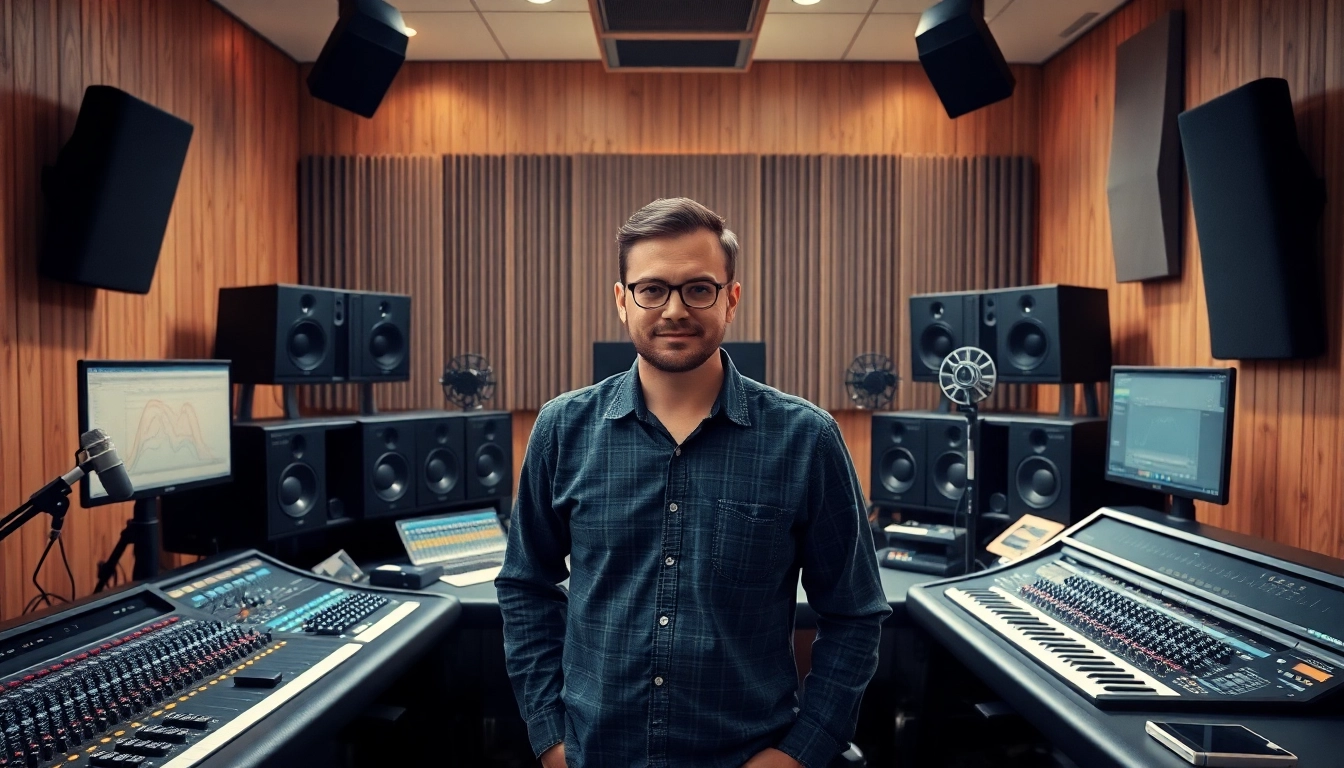
The Basics of Online Audio Mastering
In the world of music production, mastering is a crucial final step that transforms a mixed track into a polished product ready for distribution. As technology advances, many opt for online audio mastering services, offering convenience and accessibility that traditional methods may not. This article will provide an in-depth understanding of online audio mastering, its key components, workflows, and tips for improving skills in this essential area of audio production.
What is Online Audio Mastering?
Online audio mastering refers to the digital process of preparing and transferring recorded audio from a source to a data storage device or distributing it. This involves various technical adjustments to the audio tracks, including equalization, compression, and volume maximization, ensuring that it meets commercial standards. Essentially, it's the bridge that takes a raw audio recording to a finished product, ready for distribution on platforms like Spotify, Apple Music, and vinyl.
Why Choose Online Audio Mastering?
Opting for online audio mastering provides numerous advantages, particularly for independent artists and producers. Here are some reasons why this service is increasingly popular:
- Cost-Effective: It often requires a lower financial investment than hiring a professional studio.
- Accessibility: Musicians can access a wide range of services from the comfort of their homes, any time they choose.
- Speed: Online mastering services typically provide quick turnaround times, allowing for faster release schedules.
- Streamlined Process: Many platforms provide user-friendly interfaces that make mastering accessible even for those without extensive technical knowledge.
Common Misconceptions
Despite the benefits, there are misconceptions surrounding online audio mastering that can mislead artists. Common myths include:
- It's only for professionals: Many believe that only seasoned audio engineers should master music, but user-friendly platforms have democratized the process.
- It's automated and lacks quality: While some processes are automated, skilled engineers often oversee or complement the services to ensure high-quality results.
- Mastering can fix a poor mix: Mastering enhances a track but cannot correct fundamental issues in the mix itself. A well-mixed track is essential for successful mastering.
Key Components of Online Audio Mastering
Understanding Audio Formats
When it comes to mastering audio for different platforms, understanding various audio formats is vital. Formats like WAV, MP3, and AIFF serve different purposes:
- WAV: A lossless format favored in professional settings for its high quality and fidelity.
- MP3: A compressed format ideal for distribution due to its smaller file size but can sacrifice audio quality.
- AIF: Similar to WAV, it maintains audio quality and is compatible with Apple devices.
Choosing the right format based on the intended distribution platform is essential to maintain audio integrity.
Essential Tools for Mastering
Online audio mastering relies on various tools and software, critical for achieving high-quality results. Essential components include:
- Digital Audio Workstations (DAWs): These platforms like Pro Tools or Logic Pro X allow for detailed editing and mastering features.
- Audio Plugins: Tools such as equalizers, compressors, limiters, and analyzers enhance the audio's quality and ensure a balanced mix.
- Metering Tools: These tools measure levels, loudness, and frequency balance, ensuring your audio fits industry standards.
The Role of Dynamic Range
Dynamic range is crucial in mastering. It refers to the difference between the quietest and loudest parts of a track. A well-managed dynamic range keeps the audio clear and allows for emotional impact, while excessive compression can lead to a flat sound that lacks depth. Therefore, finding the right balance is essential during the mastering process.
Workflow for Online Audio Mastering
Step-by-Step Process
The workflow for online audio mastering typically follows a systematic approach:
- Preparation: This involves gathering all relevant audio files, ensuring they're in the correct format and organized for easy access.
- Listening Assessment: The audio engineer listens closely to the tracks for any issues that precede the mastering process.
- Editing: Minor corrections are made, including adjustments to fades, clicks, and pops.
- Equalization: Frequency adjustments are made to ensure the mix sounds balanced across all playback systems.
- Compression: This is applied to control dynamics and ensure consistent volume levels throughout the track.
- Loudness Maximization: The final step increases the track’s loudness without causing distortion.
Best Practices to Follow
To achieve optimal results in online audio mastering, follow these best practices:
- Always start with a high-quality mix to master.
- Take breaks during the mastering session to maintain a fresh perspective on sound.
- Utilize reference tracks to compare the mastering results with commercially successful songs in the same genre.
- Ensure that your monitoring environment is acoustically treated for the most accurate sound.
Quality Control Guidelines
Implementing effective quality control measures is vital to ensure the final product is of high caliber. Here are some guidelines to follow:
- Listen on Multiple Systems: Test the mastered track on various speakers and headphones to evaluate its performance.
- Check for Phase Issues: Ensure that your audio does not have phase cancellation problems, which can lead to a thin sound.
- Review Loudness Levels: Use LUFS (Loudness Units Full Scale) meters to ensure that your track meets the loudness standards for the desired platforms.
Comparing Online Audio Mastering Services
What to Look For
When evaluating online audio mastering services, consider the following aspects:
- Reputation: Look for reviews and testimonials from other artists to gauge the service’s quality and reliability.
- Range of Services: Check if they offer additional mastering options like stem mastering or personalized mastering sessions.
- Technology and Tools Used: Inquire about the software and processing techniques employed in their mastering processes.
Pricing Models Explained
Online audio mastering services operate on various pricing models, including:
- Per Track: A straightforward approach where users pay for each track mastered.
- Subscription-Based: Some services offer a monthly or annual subscription model, allowing users to master multiple tracks at a reduced rate.
- Pay-As-You-Go: This model allows for flexibility, charging based on each project without commitment to a subscription.
Choosing the right model depends on your frequency of use and budget.
Reading User Reviews
User reviews can provide invaluable insights into the quality and reliability of an online mastering service. Look for consistency in positive feedback regarding quality, customer service, and turnaround times. Online artist communities can also offer recommendations based on firsthand experiences, helping you make informed decisions.
Improving Your Skills in Online Audio Mastering
Online Courses and Resources
To enhance your mastering skills, consider enrolling in online courses designed for musicians and audio engineers. Platforms like Berklee Online, Coursera, and Masterclass offer comprehensive training on audio mastering techniques and principles. Additionally, free resources such as YouTube tutorials and audiophile forums can provide valuable insights and tips.
Networking with Professionals
Building connections with seasoned audio engineers, producers, and other artists can significantly enrich your knowledge. Consider joining relevant forums, attending workshops, and participating in local music events to expand your network. Collaborating on projects can also expose you to different techniques and styles of mastering.
Staying Updated with Trends
The audio production industry is constantly evolving with new technologies, trends, and techniques. Stay informed by subscribing to industry newsletters, following relevant blogs and influencers, and actively engaging in online communities. This ongoing education will help you remain competitive and innovate in your mastering work.
FAQs
What is the difference between mixing and mastering?
Mixing involves adjusting individual tracks for a cohesive sound, while mastering is the final step that prepares the mixed track for distribution.
How long does online audio mastering take?
Turnaround times vary by service but typically range from a few hours to a couple of days, depending on the complexity of your project.
Can I master my own music online?
Yes, many online services empower artists to master their tracks independently with intuitive tools and guides, though professional assistance can enhance quality.
Do I need to provide a specific format for mastering?
It's essential to check with your chosen service, but typically, WAV or AIFF formats are recommended for high-quality mastering.
Is online mastering as good as studio mastering?
While online mastering can produce excellent results, the expertise of a professional engineer in a studio can provide nuanced feedback that might not be replicated online.