
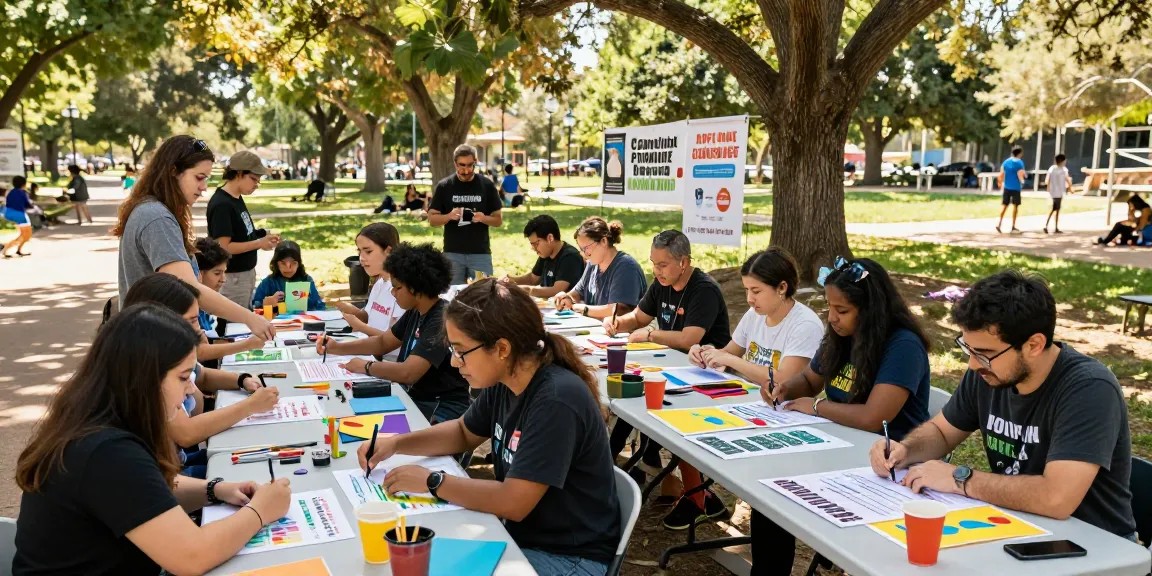
Understanding the Importance of Community Involvement
Community involvement is the cornerstone of effective social change, particularly in campaigns like the Beth Pearce initiative and its associated efforts, such as rokok88 link alternatif. Engaging with your community not only fosters a sense of belonging but also amplifies the impact of collective actions. When individuals unite under a shared vision, they can overcome significant challenges and implement meaningful changes in their environment. This collective strength is vital for driving social initiatives and ensuring that every voice is heard in the processes that shape society.
What Drives Participation in Social Campaigns?
The motivation behind participation in social campaigns can be diverse, ranging from personal beliefs to external influences. Many individuals are driven by a deep-rooted desire to make a difference, whether through environmental advocacy, social justice, or community service. Others may join campaigns due to social pressures, peer influence, or even the appeal of networking opportunities. Understanding these motivations can help campaign organizers tailor their outreach strategies to maximize involvement and ensure that all voices are represented.
Benefits of Collective Action for Change
Collective action leads to greater visibility and power in numbers, which is essential for any social campaign. When community members come together, they can tackle issues that may seem insurmountable when approached individually. The benefits of such collaboration include:
- Increased Resources: Pooling together resources can significantly enhance the effectiveness of campaigns.
- Shared Knowledge: Diverse perspectives can lead to innovative solutions and new strategies.
- Empowerment: Collaborating with others can inspire individuals, boost morale, and foster a greater commitment to the cause.
- Accountability: Being part of a community encourages accountability among participants.
How to Measure Participation Impact Effectively
Measuring the impact of participation in social campaigns is crucial for understanding effectiveness and guiding future actions. Here are several strategies to gauge participation impact:
- Surveys and Feedback: Regularly solicit feedback from participants to assess their perceptions and experiences.
- Data Analysis: Analyze participation data, such as event attendance and social media engagement metrics.
- Impact Stories: Collect and share stories of change, which can illustrate the tangible benefits of involvement.
Exploring the rokok88 Link Alternatif Concept
The concept of the rokok88 link alternatif serves as a vital resource for participants in the Beth Pearce campaign. This alternative link is designed for users facing accessibility issues or experiencing difficulties with the primary link, ensuring a seamless connection to vital campaign resources and information.
What is rokok88 Link Alternatif and Its Purpose?
The rokok88 link alternatif is essentially a backup or alternative access point to the main campaign resources related to the Beth Pearce initiative. Its purpose is to ensure that participants can easily engage with campaign materials, regardless of any technical difficulties they might encounter with the primary links. This redundancy is especially important in the digital age, where maintaining continuous access to information is paramount for sustained engagement.
How to Access and Use the rokok88 Link Alternatif?
Accessing the rokok88 link alternatif is straightforward. Users can input the link directly into their browser’s address bar, which redirects them to a secure site housing all the relevant campaign resources. Incorporating user-friendly design elements ensures that even those who are less tech-savvy can navigate the platform with ease. Additionally, providing clear instructions on how to use the link can further enhance user experience and participation rates.
Real-Life Success Stories of Engagement Through Links
There are numerous success stories highlighting how alternative links have facilitated greater engagement within campaigns. For instance, during a recent initiative, a community group used their alternative link to connect participants who had previously struggled to access main resources. This resulted in a significant increase in participation, demonstrating the value of ensuring access for all community members.
Key Strategies for Effective Campaign Involvement
Implementing effective strategies is crucial for increasing engagement in campaigns like those led by Beth Pearce. Below are several key strategies to consider:
Building an Online Presence for Your Campaign
An online presence is essential for any modern campaign. Utilizing platforms like social media, blogs, and websites can help reach a broader audience. Consistent branding and messaging ensure that potential participants recognize your efforts. Creating engaging content related to your campaign helps to build a community around your cause, driving further involvement.
Utilizing Social Media to Drive Participation
Social media platforms are invaluable for mobilizing community members. Campaigns can leverage storytelling, live updates, and interactive content to keep followers engaged. By creating shareable content, campaigns can encourage participants to spread the word, thereby increasing visibility and potentially attracting new supporters.
Creating Compelling Content that Resonates
Content is king in any campaign. Crafting narratives that resonate with the target audience can inspire participation. This includes using emotional appeals, highlighting success stories, and showcasing the positive impacts of involvement. Providing educational resources can also empower individuals to take action and feel more connected to the cause.
Overcoming Barriers to Participation
Despite the benefits of involvement, there can be obstacles that deter individuals from participating in campaigns. Understanding and addressing these barriers is crucial for improving engagement strategies.
Common Misconceptions About Activism
Misconceptions surrounding activism can hinder participation. Many people believe that activism requires significant time, resources, or expertise. By debunking these myths and emphasizing that every contribution counts, campaigns can encourage a more diverse group of participants to get involved.
Addressing Challenges Faced by Potential Participants
Potential participants may face practical challenges such as lack of time or access to information. Campaigns can combat these barriers by offering flexible participation options, online resources, and clear communication about events and opportunities. Providing a supportive environment also helps individuals feel more comfortable engaging with the campaign.
Engagement Tactics for Diverse Community Groups
To effectively engage a diverse audience, campaigns must implement targeted strategies that consider the unique needs of different groups. Language inclusivity, cultural sensitivity, and varying communication channels can enhance engagement efforts and ensure that all community members feel represented and valued.
Looking Ahead: Trends in Social Activism for 2026
The landscape of social activism is continually evolving, with new trends emerging as technology advances and societal needs shift. Recognizing these trends can help shape future campaigns and outreach strategies.
Emerging Technology’s Role in Activist Campaigns
Technology is becoming increasingly vital in activism, offering new platforms for engagement, outreach, and mobilization. From virtual reality experiences to blockchain for transparency, understanding how to leverage these tools can enhance the effectiveness of campaigns. The rise of artificial intelligence in analyzing data may also streamline campaign strategies.
Future Expectations for Community Engagement
As society becomes more interconnected, the expectation for community engagement will likewise evolve. Campaigns will need to adapt to increasingly tech-savvy audiences and ensure they provide digital engagement opportunities. Additionally, fostering a culture of inclusivity will become essential in recruiting diverse participants and ensuring their voices are heard.
How ROKOK88 is Pioneering Change in the Digital Space
ROKOK88 is at the forefront of leveraging digital tools to enhance community engagement. By providing alternative links and prioritizing user accessibility, ROKOK88 exemplifies how technology can be harnessed to empower individuals and groups. Their innovative approach sets a precedent for future campaigns aiming to integrate technology into their engagement strategies.
What is the significance of rokok88 link alternatif?
The rokok88 link alternatif serves as a crucial tool for ensuring continuous access to campaign resources, allowing participants to stay engaged even when technical challenges arise. This reliability is essential for maintaining momentum in community initiatives.
How can I get involved in the Beth Pearce Campaign?
Getting involved in the Beth Pearce Campaign is straightforward. Interested individuals can visit the campaign’s website, sign up for updates, and participate in upcoming events. Engaging with local community activities, sharing resources on social media, and connecting with others who share similar goals can amplify individual contributions.
What tools enhance community collaboration?
Several tools facilitate community collaboration, including social media platforms, collaborative project management software, and community forums. These tools allow participants to share ideas, coordinate efforts, and maintain open lines of communication, fostering a stronger sense of community.
What are the success metrics for social campaigns?
Success in social campaigns can be measured through various metrics, including engagement rates, participant feedback, the reach of campaign content, and tangible outcomes from initiatives. By analyzing these metrics, organizers can identify areas for improvement and celebrate successes.
How to stay updated on activism trends?
Staying informed about activism trends involves following relevant organizations, subscribing to newsletters, and engaging with thought leaders in the field. Attending conferences or participating in webinars can also provide insights into emerging strategies and best practices for effective community engagement.