Engaging ai hentai chat interaction with anime-inspired character in vibrant digital city.

What Do Top Experts Say About ai Hentai Chat in 2026?

Understanding the Evolution of AI Hentai Chat

The landscape of digital interaction has undergone a remarkable transformation over the past few years, especially with the integration of artificial intelligence (AI) into various domains. One of the most intriguing applications of AI is in the realm of adult entertainment, particularly through platforms featuring ai porn chat. These platforms allow users to engage in immersive and personalized experiences with virtual characters that respond in real-time, blending storytelling with interactive technology in a way that captivates users. This article delves into the evolution, user experiences, and the promising future of AI hentai chats.

What is AI Hentai Chat?

AI hentai chat refers to the use of artificial intelligence to create interactive chat platforms where users can engage with characters from hentai, a genre of Japanese anime and manga that features erotic content. These chat systems utilize advanced natural language processing (NLP) algorithms to simulate conversations, allowing users to interact with lifelike characters in a virtual environment. By employing sophisticated AI models, these platforms can adapt to user preferences and deliver a uniquely tailored chatting experience.

Historical Context: From Animation to Interactive Chat

The history of erotic content in media can be traced back decades, beginning with animated series and comics that explored adult themes. With the advent of the internet, these static forms of entertainment evolved into interactive experiences. Initially, chatbots were limited in their capabilities, often providing scripted responses that lacked depth. The rise of machine learning and AI has significantly enhanced these tools, allowing for contextual conversations that feel more human-like.

Key Technologies Driving AI Hentai Chat

Several key technologies have propelled the development of AI hentai chat platforms:

  • Natural Language Processing (NLP): This technology enables the system to understand and generate human-like text, making conversations feel realistic.
  • Machine Learning: AI models learn from interactions to improve their responses over time, adapting to individual user styles and preferences.
  • Emotion Recognition: Some platforms are integrating emotion detection to enhance the user experience by responding appropriately to users’ emotional states.

Exploring the User Experience of AI Hentai Chat

The user experience in AI hentai chat platforms is paramount, as it directly impacts user satisfaction and retention. As these interactions become more sophisticated, understanding how users engage with AI becomes essential.

User Engagement in AI Chat Platforms

Engagement in AI chat platforms is driven by several factors including character design, narrative depth, and responsiveness. Users are drawn to visuals that reflect their interests and fantasies, which can include personalized avatars that resonate with their personal tastes. Furthermore, the ability of these AI characters to respond to users in real-time creates a sense of intimacy and immediacy that traditional media cannot provide.

Emotional Resonance: Connecting with Characters

The emotional connection that users form with AI characters is significant. Many platforms employ techniques to draw users into a narrative, allowing them to develop relationships with their virtual companions. This emotional engagement can lead to deeper experiences, as users may turn to these interactions for comfort or escapism.

Challenges in Maintaining User Interest

Despite the advantages, maintaining user interest in AI hentai chat platforms presents challenges. Users may experience fatigue if interactions become repetitive or if the AI fails to adapt to their evolving preferences. Continuous updates, diverse content offerings, and engaging storytelling can help mitigate these risks.

Best Practices for Developing AI Hentai Chat Platforms

To succeed in the competitive arena of AI hentai chat, developers must adhere to best practices that prioritize user experience, security, and ethical considerations.

Design Principles for Engaging Interfaces

Creating an engaging user interface (UI) is crucial. Designers should focus on intuitive navigation, appealing aesthetics, and responsive design that adapts to different devices. Customization options allow users to create unique experiences, further enhancing engagement.

Incorporating Feedback Mechanisms

Feedback mechanisms are essential for continuous improvement. By allowing users to provide feedback on their experiences, developers can identify pain points and optimize interactions. This iterative process ensures that platforms evolve in line with user expectations.

Balancing Accessibility and User Privacy

While accessibility is vital for user engagement, privacy cannot be compromised. Developers must implement robust data protection measures and allow users to control their information, fostering trust and encouraging participation.

Future Trends in AI Hentai Chat: Predictions for 2026 and Beyond

The future of AI hentai chat is poised for significant advancements as technology continues to evolve. Here, we explore potential trends that could shape the industry.

Technological Advancements on the Horizon

As AI technology advances, we can expect enhancements in realism and interactivity. Future platforms may incorporate augmented reality (AR) and virtual reality (VR) to create immersive experiences where users can interact with characters in a three-dimensional space.

Changing User Demographics and Preferences

The user base of AI hentai chats is diversifying, with younger generations showing increased comfort with AI interactions. This shift will likely lead to the development of platforms catering to varying preferences across age groups and cultural backgrounds.

Potential Ethical Considerations in AI Interactions

As the scale of AI interactions expands, ethical considerations become increasingly important. Developers must navigate challenges related to consent, representation, and the potential for addiction or escapism, ensuring that their platforms promote healthy user relationships.

Frequently Asked Questions about AI Hentai Chat

What are the main benefits of using AI Hentai Chat?

AI hentai chat platforms offer personalized interactions, allowing users to explore their fantasies in a safe space. They provide an outlet for creativity and can help users form connections that they might find difficult in real life.

How does AI ensure user privacy and data security?

Modern AI chat platforms implement stringent data protection protocols, including end-to-end encryption and anonymization, to safeguard user information and ensure privacy during interactions.

Can AI Hentai Chat improve emotional connections?

Yes, AI hentai chat can create emotional connections by simulating realistic interactions that resonate with users’ personal experiences, desires, and emotional needs.

What technologies are essential for AI Hentai Chat?

Key technologies include NLP for conversation, machine learning for personalized experiences, and AI-driven graphics for character representation.

How will user experiences evolve in the next few years?

User experiences will likely become more immersive and interactive, with advancements in AI and related technologies enhancing the realism and emotional depth of interactions.

Engaging Hentai AI chat session with vibrant characters and digital landscape, immersing users in interactive conversations.

Mastering Hentai AI Chat: 2026’s Definitive Guide to Engaging Conversations

Understanding Hentai AI Chat

Hentai AI chat represents a unique intersection of technology and adult entertainment, combining the engaging narratives found in anime with the capabilities of artificial intelligence. Users can interact with lifelike characters in immersive scenarios, exploring their fantasies in a secure and private environment. As technology progresses, the capabilities of these platforms have grown exponentially, allowing for highly customized experiences that cater to individual preferences.

What is Hentai AI Chat?

At its core, hentai AI chat refers to interactive chatbots and virtual companions that utilize artificial intelligence to engage users in conversations centered around adult themes, particularly those inspired by hentai culture. These chatbots can simulate conversations with a range of characters from popular anime, offering a mix of storytelling, role-playing, and emotional interactions that enhance the user experience.

The Technology Behind AI Conversations

The backbone of hentai AI chat involves sophisticated natural language processing (NLP) and machine learning algorithms. These technologies enable the bots to understand and generate text that mimics human conversation. By analyzing user input, the AI can provide appropriate and contextually relevant responses, making the interaction feel authentic. The continuous evolution of deep learning models also allows these chatbots to improve over time, learning from user interactions to refine their conversational abilities.

User Experience and Interaction

Engagement is key to the success of hentai AI chat. Platforms often prioritize user experience by creating intuitive interfaces and responsive designs that facilitate seamless interactions. Many users appreciate the flexibility offered by these AI characters, allowing them to explore different personas and scenarios. When exploring options, hentai ai chat provides comprehensive insights into the available interactions, including varied character backgrounds and storylines that can be tailored to user preferences.

Benefits of Hentai AI Chat

Enhanced Personalization and Engagement

One of the most significant advantages of hentai AI chat is its ability to offer personalized experiences tailored to individual interests. Unlike conventional chatbots, which may provide generic responses, these AI-driven platforms can remember user preferences and adapt their conversations accordingly. This level of customization not only enhances user satisfaction but also fosters long-term engagement.

Building Emotional Connections

Hentai AI chat can facilitate emotional connections, as users often form attachments to the characters they interact with. These AI companions can offer empathy and understanding, responding to users’ emotional states and providing support through customized dialogue. This aspect of interaction can be particularly appealing to those who seek companionship or emotional relief.

Privacy and Security Considerations

In an age where privacy is paramount, hentai AI chat platforms prioritize user security. Many services implement strict privacy policies and encryption methods to protect user data. By ensuring that conversations remain confidential, these platforms create a safe space for users to explore their fantasies without fear of judgment or exposure.

Challenges in Hentai AI Chat

Addressing User Concerns and Misconceptions

Despite its growing popularity, hentai AI chat faces several challenges, including misconceptions about the nature of interactions. Some users may fear that engaging with an AI chatbot could desensitize them to real human relationships or that it may encourage unhealthy fantasies. Platforms often address these concerns through educational resources and community guidelines that emphasize healthy engagement.

Ethical Implications of AI-generated Content

The creation and use of hentai AI chat also raise ethical questions regarding consent and the representation of characters. It is crucial for developers to navigate these complexities thoughtfully, ensuring that the content produced is respectful and consensual. Discussions surrounding the ethical use of AI in adult contexts are ongoing, requiring industry players to remain vigilant and responsive to user feedback.

Maintaining Content Quality and Relevance

As the landscape of AI chat evolves, maintaining high content quality becomes essential. Users expect engaging, well-developed narratives and relatable characters. To meet these expectations, developers must invest in continuous updates and enhancements to their AI models, ensuring that interactions remain fresh and dynamic.

Best Practices for Effective Hentai AI Chat

Creating Realistic Avatars and Characters

The success of hentai AI chat significantly relies on the realism of its avatars and characters. Developers should focus on creating detailed backstories and characteristics that resonate with the target audience. This approach not only enhances user immersion but also encourages deeper emotional connections between users and their AI companions.

Strategies for Meaningful Interaction

To foster meaningful interactions, platforms should implement strategies that encourage users to engage with their AI companions actively. This can include prompting users with specific questions or scenarios, thereby inviting them to explore different facets of conversation. Interactive storytelling elements can further enhance the depth of these engagements, making each chat session unique.

Measuring User Satisfaction and Engagement

For any hentai AI chat platform, measuring user satisfaction and engagement is crucial for continuous improvement. Implementing feedback mechanisms allows users to share their experiences and suggestions, which can be invaluable in refining the chat interface and character interactions. Regular surveys and usage data analytics can provide insights into user behavior and preferences, informing future enhancements.

Future Trends in Hentai AI Chat

Emerging Technologies and Innovations for 2026

The future of hentai AI chat looks promising, with emerging technologies set to revolutionize user interactions. Innovations such as augmented reality (AR) and virtual reality (VR) are expected to create even more immersive environments, allowing users to engage with their AI companions in rich, 3D spaces. Furthermore, advancements in deep learning could result in chatbots that are more attuned to emotional cues, creating responses that feel even more human-like.

Predictions for User Interactions

As AI technology continues to advance, it is anticipated that user interactions will become increasingly complex and nuanced. Future chatbots may integrate voice recognition and even visual interaction capabilities, enabling users to engage with their characters in multifaceted ways. This evolution will likely enhance the overall user experience, making conversations more engaging and lifelike.

How the Industry is Evolving

The hentai AI chat industry is evolving rapidly, driven by user demand for personalized and engaging content. As competition increases, platforms will need to differentiate themselves through unique offerings, such as exclusive character designs or narrative arcs. This competitive landscape will encourage ongoing innovation and improvement, benefiting users in the long run.

FAQs

What makes Hentai AI chat unique?

Hentai AI chat is distinct because it offers a personalized and immersive experience that blends technology with elements of adult entertainment. Users can engage with characters that resonate with their interests, promoting emotional connections and deeper engagement.

How is user privacy ensured in these chats?

Most platforms prioritize user privacy by employing robust security measures, including data encryption and strict confidentiality policies. This allows users to interact freely without concern for exposure or judgment.

What are the ethical guidelines for using Hentai AI?

Ethical guidelines typically emphasize consent, respect for user preferences, and the responsible representation of characters. Developers are encouraged to create content that is mindful of these considerations, fostering a safe and respectful environment.

Can Hentai AI chat be used for educational purposes?

While primarily designed for entertainment, some aspects of hentai AI chat can be leveraged for educational purposes, particularly in exploring themes of consent, communication, and emotional intelligence in relationships.

What trends should we expect in the future of AI chats?

Future trends in AI chats may include more immersive experiences through AR and VR, enhanced emotional intelligence in chatbots, and a greater emphasis on ethical programming practices, ensuring that user interactions are respectful and consensual.

Top 10 Art Movements Shaping Today’s Creative Landscape

The Evolution of Arts & Entertainment

Throughout history, the landscape of arts and entertainment has undergone profound transformations, reflecting shifts in societal values, technological advancements, and cultural exchanges. Understanding this evolution provides insight into how contemporary art forms and entertainment mediums have been shaped and continue to develop.

Historical Overview of Artistic Movements

The journey of arts and entertainment can be traced through various significant artistic movements, each defined by unique characteristics, philosophies, and cultural contexts. From the Renaissance’s emphasis on humanism to the abstract expressionism of the mid-20th century, these movements have influenced not only artists but also the audiences who engage with their work.

The Renaissance (14th to 17th century) marked a rebirth of classical learning and wisdom, emphasizing realism and human emotion in painting and sculpture. Artists like Leonardo da Vinci and Michelangelo set new standards for artistry, blending science and art seamlessly.

Following the Renaissance, the Baroque period (17th century) introduced drama and grandeur in art, with figures like Caravaggio employing chiaroscuro to create depth and emotion. The Romantic movement (late 18th to mid-19th century) shifted focus to individualism and nature, as seen in the works of J.M.W. Turner and Eugène Delacroix.

In the 20th century, modernism emerged, challenging traditional norms and embracing abstraction. Movements such as Cubism, led by Pablo Picasso, and Surrealism, championed by Salvador Dalí, pushed the boundaries of artistic expression, paving the way for contemporary art. Each of these movements reflects an era’s social, political, and cultural dynamics, demonstrating how art is a mirror of society.

Technological Influence on Entertainment

Technological advancements have played a crucial role in the evolution of entertainment. From the invention of the printing press to the rise of the internet, technology has transformed how art is created, distributed, and consumed.

The introduction of film in the late 19th century revolutionized storytelling, allowing narratives to be conveyed visually and audibly. The Golden Age of Hollywood (1930s-1960s) saw the establishment of film as a dominant entertainment medium, with studios like MGM and Warner Bros. producing iconic films that shaped global culture.

With the advent of television in the mid-20th century, entertainment became more accessible to the masses, changing viewing habits and creating a new realm for storytelling. The introduction of color television and cable networks diversified content, leading to the creation of niche programming.

In recent years, the internet has further disrupted traditional entertainment models. Streaming services like Netflix and Hulu have revolutionized how audiences consume films and series, allowing for on-demand viewing and binge-watching culture. According to a report by Statista, the global revenue from video streaming is projected to reach $70 billion by 2025, underscoring the internet’s impact on entertainment.

Shifts in Consumer Preferences Over Time

Consumer preferences in arts and entertainment have evolved significantly, influenced by cultural trends, technological advancements, and societal changes. Understanding these shifts is essential for artists and entertainers seeking to engage their audiences effectively.

In the early 20th century, consumer entertainment primarily consisted of live performances, radio broadcasts, and cinema. However, the introduction of television shifted preferences toward home entertainment, leading to a decline in live theater attendance.

Today, younger generations are gravitating toward digital platforms for entertainment. A survey by Nielsen found that 73% of millennials prefer streaming content over traditional cable. This shift has prompted artists and creators to adapt their practices, often prioritizing online engagement and social media presence to reach wider audiences.

  • Embrace digital platforms for distribution and marketing.
  • Engage with audiences through social media for feedback and interaction.
  • Stay updated on current trends to align artistic practices with consumer interests.

Understanding Different Art Forms

Art exists in many forms, each offering unique avenues for expression and connection. By exploring various art forms, one can appreciate their distinct characteristics and the roles they play in society.

Visual Arts: Painting, Sculpture, and Photography

Visual arts encompass a wide range of creative expressions, including painting, sculpture, and photography. Each medium provides different ways to convey emotions, ideas, and narratives.

Painting has a long-standing history, from the cave paintings of prehistoric times to contemporary abstract art. Techniques such as oil painting, watercolor, and acrylics allow artists to manipulate color, texture, and form to convey their vision. Iconic painters like Vincent van Gogh and Frida Kahlo have used their work to explore personal and socio-political themes.

Sculpture, on the other hand, involves three-dimensional forms that can be created from various materials, including clay, metal, and stone. Artists like Henry Moore and Louise Bourgeois have pushed the boundaries of sculpture, experimenting with form and scale to challenge viewers’ perceptions.

Photography, as a relatively new art form, has evolved from traditional film techniques to digital photography, allowing for immediate sharing and manipulation of images. Photographers like Ansel Adams and Cindy Sherman have used their work to challenge social norms and explore identity.

Performing Arts: Theater, Dance, and Music

The performing arts encompass live performances that engage audiences through movement, sound, and emotion. Theater, dance, and music are interrelated yet distinct forms, each offering unique experiences.

Theater combines storytelling with live performance, often exploring complex human emotions and societal issues. Classic playwrights like William Shakespeare and modern voices like Lin-Manuel Miranda have shaped the theatrical landscape, making it relevant to contemporary audiences.

Dance is a dynamic form of expression that communicates feelings and narratives through movement. From ballet to hip-hop, dance styles reflect cultural influences and individual creativity. Notable choreographers like Martha Graham and Alvin Ailey have pushed the boundaries of dance, incorporating societal themes into their works.

Music, often referred to as a universal language, has the power to evoke emotions and create connections. From classical symphonies to contemporary pop, music continuously evolves, reflecting societal changes and technological advancements. Artists like Beyoncé and Kendrick Lamar use their platforms to address social issues, demonstrating music’s role in advocacy.

Literary Arts: Poetry, Fiction, and Non-fiction

The literary arts encompass diverse genres of written expression, including poetry, fiction, and non-fiction. Each genre offers unique opportunities for storytelling and exploration of ideas.

Poetry, with its rhythmic and often condensed language, allows for deep emotional expression and exploration of complex themes. Poets like Maya Angelou and Rumi have used their work to inspire and provoke thought, demonstrating poetry’s enduring power.

Fiction, encompassing novels and short stories, provides a platform for imaginative storytelling. Authors such as Jane Austen and George Orwell have crafted narratives that reflect societal issues and human experiences, inviting readers to engage with diverse perspectives.

Non-fiction, including essays and memoirs, serves to educate and inform readers about real-world topics. Writers like Malcolm Gladwell and Chimamanda Ngozi Adichie use their voices to share insights and challenge societal norms, making non-fiction a powerful medium for change.

The Role of Arts in Society

The arts serve a crucial role in society, reflecting cultural identities, promoting mental health, and acting as catalysts for social change. Understanding this role highlights the importance of supporting and engaging with the arts.

Art as a Reflection of Cultural Identity

Art is often a mirror of cultural identity, providing insight into the values, beliefs, and experiences of a community. Through various art forms, societies express their unique narratives and histories, fostering a sense of belonging and connection.

Indigenous art, for instance, often reflects the traditions, spirituality, and experiences of Indigenous peoples. Artists like George Nuku and Rachael House use their platforms to advocate for cultural preservation, showcasing the richness of their heritage through contemporary practices.

Similarly, the Harlem Renaissance (1920s-1930s) was a cultural movement that celebrated African American identity through literature, music, and visual arts. Figures like Langston Hughes and Zora Neale Hurston explored themes of race, identity, and social justice, leaving a lasting impact on American culture.

By engaging with art that reflects diverse cultural identities, audiences can gain a deeper understanding of various perspectives, fostering empathy and appreciation for different experiences.

Impact of Arts on Mental Health and Well-being

Engagement with the arts has been shown to have significant positive effects on mental health and well-being. Various studies indicate that artistic expression can reduce stress, improve mood, and enhance cognitive function.

Art therapy, for instance, utilizes creative processes to help individuals express emotions and cope with mental health challenges. Research published in the Journal of the American Art Therapy Association found that art therapy significantly reduced anxiety and depression symptoms in patients.

Furthermore, participating in the arts can foster social connections and a sense of community. Community art programs, such as those organized by the Arts Council, provide opportunities for individuals to come together, share experiences, and create collectively, enhancing social cohesion and support.

  • Consider engaging in art-making as a form of self-care.
  • Explore local community art programs that promote connection and creativity.
  • Utilize art therapy techniques to navigate emotional challenges.

Arts as a Tool for Social Change

The arts have long been used as powerful tools for social change, challenging norms and advocating for justice. Artists and performers utilize their platforms to raise awareness about pressing social issues, inspiring audiences to take action.

Street art, for example, has emerged as a form of protest and social commentary. Artists like Banksy and Shepard Fairey use public spaces to convey messages about inequality, war, and consumerism, engaging passersby in critical conversations.

In the realm of music, genres like hip-hop and folk have historically addressed social injustices and marginalized voices. Artists like Bob Dylan and Kendrick Lamar have used their lyrics to shed light on systemic racism and inequality, motivating listeners to confront these issues.

Moreover, theater productions like “The Vagina Monologues” and “Hamilton” have sparked discussions around gender equality and racial representation, making art a catalyst for societal reflection and change.

Current Trends in Entertainment

The entertainment industry is continuously evolving, driven by technological advancements and changing consumer behaviors. Understanding current trends is essential for artists and entertainers navigating this dynamic landscape.

Streaming Services and Their Impact on Film and TV

The rise of streaming services has transformed the film and television landscape, offering audiences greater access to content than ever before. Platforms like Netflix, Amazon Prime, and Disney+ have revolutionized how films and series are produced, distributed, and consumed.

These services have created a shift from traditional broadcasting to on-demand viewing, allowing audiences to choose when and how they consume content. According to a report by PwC, global revenues from streaming services are expected to reach $104 billion by 2025, highlighting the significant impact of this trend on the entertainment industry.

Moreover, the increased competition among streaming platforms has led to a surge in original content production. This has not only diversified the types of narratives being told but has also provided opportunities for underrepresented voices in the industry. For instance, shows like “The Queen’s Gambit” have gained critical acclaim, showcasing unique stories that resonate with audiences globally.

The Rise of Interactive and Immersive Experiences

Interactive and immersive experiences have gained traction in the entertainment industry, offering audiences new ways to engage with content. From immersive theater productions to virtual reality (VR) experiences, these formats allow for greater audience participation and involvement.

For example, immersive theater companies like Punchdrunk have created experiences where audiences can explore environments and interact with performers, blurring the lines between spectatorship and participation. Such experiences provide a deeper connection to the narrative, allowing individuals to engage with the story on a personal level.

Additionally, the rise of VR technology has opened up new possibilities for storytelling. Games and experiences that utilize VR allow users to step into different worlds, providing a sense of presence and immersion that traditional media cannot replicate. According to a report by Statista, the VR gaming market is projected to reach $22.9 billion by 2025, indicating a growing interest in interactive experiences.

Influence of Social Media on Art and Entertainment Consumption

Social media has transformed how audiences discover and engage with art and entertainment, creating new avenues for artists to connect with their fans. Platforms like Instagram, TikTok, and Twitter have become essential tools for promoting creative work and building personal brands.

Artists can showcase their work to a global audience, often bypassing traditional gatekeepers such as galleries and record labels. For instance, musicians like Lil Nas X gained fame through viral TikTok trends, demonstrating how social media can launch careers and redefine success in the entertainment industry.

Moreover, social media allows for direct engagement between creators and audiences, fostering community and feedback. Artists can share their creative processes, receive input, and cultivate a loyal following. According to a survey by Hootsuite, 54% of social media users use these platforms to discover new art and entertainment, underscoring the importance of digital presence in today’s landscape.

Strategies for Success in the Arts & Entertainment Industry

Success in the arts and entertainment industry requires a combination of talent, strategic marketing, and networking. By implementing effective strategies, artists and entertainers can enhance their visibility and impact.

Building a Personal Brand as an Artist or Performer

Building a personal brand is essential for artists and performers seeking to distinguish themselves in a competitive landscape. A strong personal brand communicates an artist’s unique identity, values, and vision, making it easier for audiences to connect with their work.

To build a personal brand, artists should consider the following steps:

  1. Define Your Identity: Identify what sets you apart as an artist. Consider your style, themes, and the messages you want to convey.
  2. Develop an Online Presence: Create a professional website and maintain active social media profiles. Share your work, engage with followers, and provide insights into your creative process.
  3. Consistent Messaging: Ensure that your branding is consistent across all platforms, from visual elements to tone of voice. This helps build recognition and trust with your audience.
  4. Networking: Connect with other artists, industry professionals, and potential collaborators. Attend events, join online communities, and participate in workshops to expand your network.

Marketing and Promotion Techniques for Creative Works

Effective marketing and promotion are crucial for getting creative works noticed and reaching target audiences. Artists and entertainers should consider a combination of traditional and digital marketing techniques to maximize visibility.

Some effective strategies include:

  • Utilize Social Media: Leverage platforms like Instagram, Facebook, and TikTok to share behind-the-scenes content, promote upcoming projects, and engage with fans.
  • Email Marketing: Build an email list to share newsletters, updates, and exclusive content with followers, fostering a sense of community and loyalty.
  • Collaborate with Influencers: Partner with influencers and other artists to expand reach and tap into new audiences. Collaborative projects can generate buzz and attract attention.
  • Participate in Events: Attend exhibitions, festivals, and conventions to showcase your work and connect with industry professionals and potential fans.

Networking and Collaboration Opportunities in the Industry

Networking and collaboration are vital for artists and entertainers looking to grow their careers. Building relationships within the industry can lead to new opportunities, partnerships, and valuable insights.

To effectively network and seek collaboration opportunities, consider the following:

  • Attend Industry Events: Participate in art fairs, film festivals, and theater productions to meet fellow artists and industry professionals.
  • Join Professional Organizations: Become a member of organizations related to your field, such as the National Endowment for the Arts, which can provide resources, networking opportunities, and support.
  • Engage in Online Communities: Join online forums, social media groups, and platforms like LinkedIn to connect with other artists and share experiences.
  • Propose Collaborative Projects: Reach out to other artists for collaborative initiatives that can benefit both parties, whether through joint exhibitions, performances, or creative endeavors.

Arts & Entertainment

Captivating Trends in Arts & Entertainment You Should Know

Understanding the Arts: Historical Context and Evolution

The realm of arts and entertainment is a reflection of human creativity, cultural identity, and societal evolution. The artistic expression has been an integral part of human civilization, serving not only as a medium of personal expression but also as a catalyst for change and reflection within communities. This section delves into the historical context and evolution of the arts, exploring its origins, impactful movements, and the progression of entertainment through the ages.

The Origins of Artistic Expression in Human Culture

Artistic expression dates back to the earliest human societies, manifesting in various forms such as cave paintings, carvings, and primitive music. Archaeological findings, such as the Lascaux cave paintings in France, suggest that early humans used art as a means of communication, storytelling, and ritualistic practices. These expressive forms were not merely decorative; they held significant cultural meanings and were essential for the survival of early communities.

As civilizations developed, art became more sophisticated. In ancient Egypt, art was tied to religion and the afterlife, with intricate hieroglyphs and monumental architecture designed to honor gods and pharaohs. Similarly, the Greeks and Romans contributed significantly to artistic expression through sculpture and theatre, laying the groundwork for Western art traditions.

  • Cave Paintings: The earliest form of artistic expression, depicting animals and hunting scenes.
  • Ancient Egyptian Art: Focused on religious themes and the afterlife, with a strong emphasis on symmetry and order.
  • Greek Theatre: Introduced dramatic arts and storytelling, influencing modern theatre forms.

Key Art Movements and Their Impact on Society

Throughout history, various art movements have emerged, each leaving a profound impact on society. The Renaissance, for instance, marked a revival of classical learning and wisdom. Artists like Leonardo da Vinci and Michelangelo pushed the boundaries of creativity, integrating science and humanism into their artworks.

The Baroque period followed, characterized by dramatic expression and grandeur, reflecting the complexities of the time, including religious conflicts and absolute monarchies. Artists like Caravaggio and Rembrandt used light and shadow to evoke emotion and realism, influencing future artistic techniques.

In the 19th century, movements such as Impressionism and Post-Impressionism challenged traditional artistic norms. Artists like Claude Monet and Vincent van Gogh brought forth a new perception of color and light, giving rise to modern art. These movements not only altered the aesthetic landscape but also influenced social attitudes towards art and culture.

  • Renaissance (14th-17th Century): A revival of classical learning and humanistic values.
  • Baroque (17th Century): Known for emotional intensity and dramatic use of light.
  • Impressionism (19th Century): Focused on capturing light and its changing qualities.

The Evolution of Entertainment Through the Ages

Entertainment has evolved dramatically from the ancient times of storytelling and live performances to today’s digital age. In ancient Rome, gladiatorial games and theatrical performances were popular forms of entertainment, reflecting societal values and norms. The invention of the printing press in the 15th century revolutionized the distribution of literature, making books more accessible and fostering a culture of reading.

The 20th century brought about significant changes with the advent of radio, television, and cinema. The film industry transformed storytelling, allowing for the mass consumption of narratives on an unprecedented scale. Today, entertainment continues to evolve with the rise of the internet, social media, and streaming services, changing how people consume and engage with content.

  • Gladiatorial Games: A form of entertainment that reflected social values and the power dynamics of ancient Rome.
  • Printing Press: Allowed for mass distribution of literature, fostering reading culture.
  • Streaming Services: Have created a new era of content consumption, making entertainment more accessible.

Exploring Different Mediums in the Arts

The arts encompass a myriad of mediums, each offering unique avenues for creative expression. From visual arts that capture the eye to performing arts that engage the body and spirit, each medium has its own techniques and styles that resonate with audiences. This section explores the various mediums within the arts, detailing their characteristics and significance.

Visual Arts: Techniques and Styles

Visual arts include a wide range of artistic expressions, such as painting, sculpture, photography, and digital art. Each technique and style contributes to the narrative and emotional impact of the artwork. Traditional painting techniques, for instance, vary from oil and watercolor to acrylics, each offering distinct textures and finishes.

The emergence of styles like Cubism, Surrealism, and Abstract Expressionism has expanded the language of visual arts. Artists such as Pablo Picasso and Salvador Dalí challenged perceptions of reality, inviting viewers to engage with art on a deeper philosophical level.

  • Oil Painting: Known for its rich color and texture, allowing for detailed and layered works.
  • Watercolor: Offers a translucent quality, emphasizing light and fluidity.
  • Digital Art: Utilizes technology to create visually stunning works, from digital paintings to 3D models.

Performing Arts: Theatre, Dance, and Music

The performing arts combine various forms of expression, including theatre, dance, and music, to convey stories and emotions. Theatre has a rich history that dates back to ancient Greece, where plays were performed in open-air amphitheaters. Today, theatre encompasses a range of styles, from classic Shakespearean plays to contemporary experimental performances.

Dance, as a performing art, transcends cultural boundaries, with styles ranging from ballet to hip-hop, each telling its own story through movement. Music, with its diverse genres and forms, serves as a universal language, capable of evoking profound emotions and connecting people across cultures.

  • Theatre: A blend of script, performance, and stagecraft, creating immersive storytelling experiences.
  • Dance: Expresses themes and narratives through physical movement, with cultural variations worldwide.
  • Music: Encompasses various genres, each with unique characteristics and cultural significance.

Literary Arts: Genres and Forms

Literary arts encompass a vast array of genres and forms, from poetry and novels to essays and plays. Each genre offers unique narrative structures and themes, providing writers with tools to express complex ideas and emotions. For instance, poetry often employs rhythm and metaphor to convey deep feelings, while novels can explore intricate plots and character development.

The evolution of literary arts is evident in the rise of different genres over time. The Romantic movement emphasized emotion and individualism, while Modernism questioned traditional narratives and embraced fragmented storytelling. Today, contemporary literature continues to evolve, reflecting current societal issues and diverse voices.

  • Poetry: Uses structured verse and imagery to evoke emotions and insights.
  • Novels: Offer expansive narratives, exploring character and plot in depth.
  • Essays: Provide critical and personal reflections, often addressing social and political issues.

The Role of Technology in Modern Arts and Entertainment

In the contemporary landscape, technology plays a pivotal role in shaping the arts and entertainment sectors. From digital tools that enhance creative processes to platforms that distribute content globally, technology has transformed how artists create, share, and engage with audiences. This section examines the influence of technology on modern arts and entertainment.

Digital Art: Tools and Techniques for Creatives

Digital art has revolutionized the creative process, providing artists with innovative tools and techniques. Software such as Adobe Photoshop and Illustrator allows for intricate designs and illustrations, while platforms like Procreate have made digital painting accessible to artists worldwide. The rise of graphic tablets and styluses has further enhanced the precision and fluidity of digital artwork.

Moreover, digital art encourages experimentation and collaboration. Artists can share their work online, receive feedback, and collaborate with others, fostering a global creative community. The accessibility of digital tools has democratized art-making, enabling more individuals to explore their creativity.

  • Adobe Photoshop: A leading software for digital image editing and manipulation.
  • Procreate: A popular app for digital painting, favored by illustrators and artists.
  • Graphic Tablets: Enhance digital drawing and painting, offering a natural drawing experience.

The Rise of Streaming Services and Their Influence on Entertainment

The emergence of streaming services has dramatically altered the entertainment landscape. Platforms like Netflix, Hulu, and Disney+ provide audiences with on-demand access to a vast library of films, television shows, and original content. This shift has transformed how viewers consume media, prioritizing convenience and personalization.

Moreover, streaming services have disrupted traditional distribution methods, allowing independent filmmakers and creators to reach global audiences without the constraints of traditional gatekeepers. This democratization of content creation has led to a diversification of voices and narratives in the entertainment industry.

  • Netflix: Pioneered binge-watching culture with its original programming and extensive library.
  • Hulu: Offers a blend of current TV shows and original content, catering to varied audience preferences.
  • Independent Filmmaking: Streaming platforms have enabled independent creators to showcase their work to a broader audience.

Virtual Reality and Augmented Reality in Artistic Experiences

Virtual reality (VR) and augmented reality (AR) are emerging technologies that are reshaping the arts and entertainment sectors. VR creates immersive environments that transport users to different worlds, allowing for interactive artistic experiences. For instance, art installations utilizing VR allow viewers to engage with art in ways that were previously unimaginable, fostering a deeper connection to the work.

AR, on the other hand, overlays digital content onto the real world, enhancing the viewer’s experience. Art galleries and museums are increasingly incorporating AR to provide additional context and information about exhibits, enriching the visitor experience. These technologies not only enhance engagement but also expand the possibilities of artistic expression.

  • Virtual Reality: Creates immersive experiences that allow users to explore art in a three-dimensional space.
  • Augmented Reality: Enhances real-world experiences by adding digital layers of information and interaction.
  • Art Installations: Utilize VR and AR to engage audiences in unique and interactive ways.

Marketing and Promoting Arts and Entertainment

In a competitive landscape, effective marketing and promotion are crucial for artists and entertainers to reach their target audiences. This section explores strategies for building an online presence, networking within the arts industry, and utilizing SEO and content marketing to promote artistic endeavors.

Building an Online Presence: Social Media Strategies for Artists

Establishing a robust online presence is essential for artists and entertainers in today’s digital age. Social media platforms such as Instagram, Twitter, and TikTok provide artists with the opportunity to showcase their work, engage with followers, and build a community. Here are some effective strategies:

  • Consistent Branding: Develop a cohesive visual identity and voice across all platforms.
  • Engagement: Interact with followers by responding to comments, hosting Q&A sessions, and sharing behind-the-scenes content.
  • Content Variety: Use a mix of images, videos, and stories to keep your audience engaged and showcase different aspects of your work.

Collaborations and Networking in the Arts Industry

Collaboration and networking are vital for growth in the arts industry. By working with other artists and professionals, individuals can expand their reach and access new audiences. Here are some practical tips for effective networking:

  • Attend Events: Participate in art exhibitions, workshops, and conferences to meet like-minded individuals.
  • Join Online Communities: Engage with online platforms and forums dedicated to your artistic field.
  • Collaborate: Seek opportunities to collaborate on projects, which can lead to cross-promotion and shared audiences.

Utilizing SEO and Content Marketing for Arts Promotion

Search engine optimization (SEO) and content marketing are powerful tools for promoting arts and entertainment. By creating valuable content and optimizing it for search engines, artists can increase their visibility online. Here are some best practices:

  • Keyword Research: Identify relevant keywords related to your art or entertainment niche and incorporate them naturally into your content.
  • Quality Content: Create informative blog posts, videos, or podcasts that provide value to your audience.
  • Social Sharing: Encourage sharing of your content on social media to increase reach and engagement.

Future Trends in Arts and Entertainment

The arts and entertainment landscape is continuously evolving, influenced by societal changes, technological advancements, and cultural shifts. This section explores emerging trends that are shaping the future of arts and entertainment.

The Growing Importance of Inclusivity and Diversity

Inclusivity and diversity have become paramount in the arts and entertainment sectors. Audiences are increasingly seeking representation in the storytelling and artistic expressions they consume. This shift has prompted creators to embrace diverse voices and perspectives, resulting in a richer cultural tapestry.

Initiatives promoting diversity in casting, storytelling, and artistic representation are gaining momentum. For example, the success of films like “Black Panther” and “Crazy Rich Asians” showcases the demand for authentic representation in mainstream media. As the industry continues to evolve, embracing inclusivity will remain a critical focus.

  • Representation Matters: Diverse narratives resonate with audiences, contributing to broader cultural conversations.
  • Accessibility: Ensuring that art and entertainment are accessible to all, regardless of background or ability.
  • Support for Underrepresented Artists: Initiatives that fund and promote diverse artists are becoming increasingly important.

Environmental Sustainability in Arts and Production

The growing awareness of environmental issues has prompted the arts and entertainment sectors to adopt sustainable practices. From eco-friendly production methods to promoting environmental themes in art, sustainability is becoming a priority. Artists are using their platforms to raise awareness about climate change and inspire action.

For instance, film productions are increasingly utilizing green technologies, such as energy-efficient lighting and sustainable materials, to minimize their environmental impact. Additionally, art installations that incorporate recycled materials or address environmental themes are gaining popularity, encouraging audiences to consider their ecological footprint.

  • Eco-Friendly Production: Utilizing sustainable materials and practices in the creation of art and entertainment.
  • Environmental Themes: Addressing climate change and sustainability through artistic expression.
  • Community Engagement: Encouraging audiences to participate in sustainability initiatives through art.

Emerging Technologies and Their Potential Impact on the Arts

As technology continues to evolve, its impact on the arts will only grow. Emerging technologies such as artificial intelligence, blockchain, and advanced analytics are poised to reshape how art is created, distributed, and experienced. For example, AI-generated art is challenging traditional notions of creativity and authorship, prompting discussions about the role of the artist in the digital age.

Blockchain technology is also making waves in the art world, providing a transparent and secure method for artists to sell their work and for collectors to authenticate it. This technology has the potential to revolutionize the art market, ensuring fair compensation for artists while enhancing trust between creators and buyers.

  • Artificial Intelligence: Exploring the creative potential of AI in art and music.
  • Blockchain: Revolutionizing authentication and ownership in the art market.
  • Data Analytics: Utilizing data to understand audience preferences and trends in the arts.
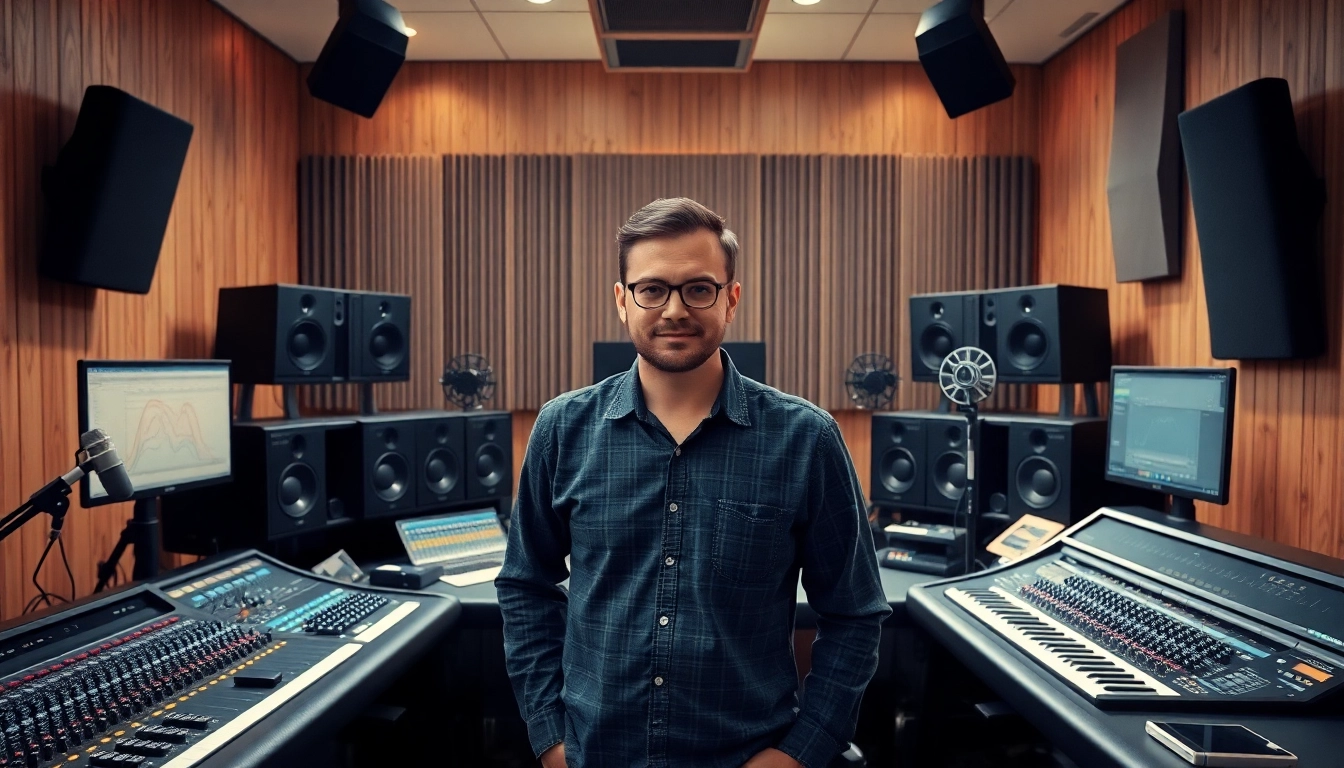
Mastering audio online with a professional engineer in a modern studio.

Mastering Your Sound: A Guide to Online Audio Mastering

The Basics of Online Audio Mastering

In the world of music production, mastering is a crucial final step that transforms a mixed track into a polished product ready for distribution. As technology advances, many opt for online audio mastering services, offering convenience and accessibility that traditional methods may not. This article will provide an in-depth understanding of online audio mastering, its key components, workflows, and tips for improving skills in this essential area of audio production.

What is Online Audio Mastering?

Online audio mastering refers to the digital process of preparing and transferring recorded audio from a source to a data storage device or distributing it. This involves various technical adjustments to the audio tracks, including equalization, compression, and volume maximization, ensuring that it meets commercial standards. Essentially, it’s the bridge that takes a raw audio recording to a finished product, ready for distribution on platforms like Spotify, Apple Music, and vinyl.

Why Choose Online Audio Mastering?

Opting for online audio mastering provides numerous advantages, particularly for independent artists and producers. Here are some reasons why this service is increasingly popular:

  • Cost-Effective: It often requires a lower financial investment than hiring a professional studio.
  • Accessibility: Musicians can access a wide range of services from the comfort of their homes, any time they choose.
  • Speed: Online mastering services typically provide quick turnaround times, allowing for faster release schedules.
  • Streamlined Process: Many platforms provide user-friendly interfaces that make mastering accessible even for those without extensive technical knowledge.

Common Misconceptions

Despite the benefits, there are misconceptions surrounding online audio mastering that can mislead artists. Common myths include:

  • It’s only for professionals: Many believe that only seasoned audio engineers should master music, but user-friendly platforms have democratized the process.
  • It’s automated and lacks quality: While some processes are automated, skilled engineers often oversee or complement the services to ensure high-quality results.
  • Mastering can fix a poor mix: Mastering enhances a track but cannot correct fundamental issues in the mix itself. A well-mixed track is essential for successful mastering.

Key Components of Online Audio Mastering

Understanding Audio Formats

When it comes to mastering audio for different platforms, understanding various audio formats is vital. Formats like WAV, MP3, and AIFF serve different purposes:

  • WAV: A lossless format favored in professional settings for its high quality and fidelity.
  • MP3: A compressed format ideal for distribution due to its smaller file size but can sacrifice audio quality.
  • AIF: Similar to WAV, it maintains audio quality and is compatible with Apple devices.

Choosing the right format based on the intended distribution platform is essential to maintain audio integrity.

Essential Tools for Mastering

Online audio mastering relies on various tools and software, critical for achieving high-quality results. Essential components include:

  • Digital Audio Workstations (DAWs): These platforms like Pro Tools or Logic Pro X allow for detailed editing and mastering features.
  • Audio Plugins: Tools such as equalizers, compressors, limiters, and analyzers enhance the audio’s quality and ensure a balanced mix.
  • Metering Tools: These tools measure levels, loudness, and frequency balance, ensuring your audio fits industry standards.

The Role of Dynamic Range

Dynamic range is crucial in mastering. It refers to the difference between the quietest and loudest parts of a track. A well-managed dynamic range keeps the audio clear and allows for emotional impact, while excessive compression can lead to a flat sound that lacks depth. Therefore, finding the right balance is essential during the mastering process.

Workflow for Online Audio Mastering

Step-by-Step Process

The workflow for online audio mastering typically follows a systematic approach:

  1. Preparation: This involves gathering all relevant audio files, ensuring they’re in the correct format and organized for easy access.
  2. Listening Assessment: The audio engineer listens closely to the tracks for any issues that precede the mastering process.
  3. Editing: Minor corrections are made, including adjustments to fades, clicks, and pops.
  4. Equalization: Frequency adjustments are made to ensure the mix sounds balanced across all playback systems.
  5. Compression: This is applied to control dynamics and ensure consistent volume levels throughout the track.
  6. Loudness Maximization: The final step increases the track’s loudness without causing distortion.

Best Practices to Follow

To achieve optimal results in online audio mastering, follow these best practices:

  • Always start with a high-quality mix to master.
  • Take breaks during the mastering session to maintain a fresh perspective on sound.
  • Utilize reference tracks to compare the mastering results with commercially successful songs in the same genre.
  • Ensure that your monitoring environment is acoustically treated for the most accurate sound.

Quality Control Guidelines

Implementing effective quality control measures is vital to ensure the final product is of high caliber. Here are some guidelines to follow:

  • Listen on Multiple Systems: Test the mastered track on various speakers and headphones to evaluate its performance.
  • Check for Phase Issues: Ensure that your audio does not have phase cancellation problems, which can lead to a thin sound.
  • Review Loudness Levels: Use LUFS (Loudness Units Full Scale) meters to ensure that your track meets the loudness standards for the desired platforms.

Comparing Online Audio Mastering Services

What to Look For

When evaluating online audio mastering services, consider the following aspects:

  • Reputation: Look for reviews and testimonials from other artists to gauge the service’s quality and reliability.
  • Range of Services: Check if they offer additional mastering options like stem mastering or personalized mastering sessions.
  • Technology and Tools Used: Inquire about the software and processing techniques employed in their mastering processes.

Pricing Models Explained

Online audio mastering services operate on various pricing models, including:

  • Per Track: A straightforward approach where users pay for each track mastered.
  • Subscription-Based: Some services offer a monthly or annual subscription model, allowing users to master multiple tracks at a reduced rate.
  • Pay-As-You-Go: This model allows for flexibility, charging based on each project without commitment to a subscription.

Choosing the right model depends on your frequency of use and budget.

Reading User Reviews

User reviews can provide invaluable insights into the quality and reliability of an online mastering service. Look for consistency in positive feedback regarding quality, customer service, and turnaround times. Online artist communities can also offer recommendations based on firsthand experiences, helping you make informed decisions.

Improving Your Skills in Online Audio Mastering

Online Courses and Resources

To enhance your mastering skills, consider enrolling in online courses designed for musicians and audio engineers. Platforms like Berklee Online, Coursera, and Masterclass offer comprehensive training on audio mastering techniques and principles. Additionally, free resources such as YouTube tutorials and audiophile forums can provide valuable insights and tips.

Networking with Professionals

Building connections with seasoned audio engineers, producers, and other artists can significantly enrich your knowledge. Consider joining relevant forums, attending workshops, and participating in local music events to expand your network. Collaborating on projects can also expose you to different techniques and styles of mastering.

Staying Updated with Trends

The audio production industry is constantly evolving with new technologies, trends, and techniques. Stay informed by subscribing to industry newsletters, following relevant blogs and influencers, and actively engaging in online communities. This ongoing education will help you remain competitive and innovate in your mastering work.

FAQs

What is the difference between mixing and mastering?

Mixing involves adjusting individual tracks for a cohesive sound, while mastering is the final step that prepares the mixed track for distribution.

How long does online audio mastering take?

Turnaround times vary by service but typically range from a few hours to a couple of days, depending on the complexity of your project.

Can I master my own music online?

Yes, many online services empower artists to master their tracks independently with intuitive tools and guides, though professional assistance can enhance quality.

Do I need to provide a specific format for mastering?

It’s essential to check with your chosen service, but typically, WAV or AIFF formats are recommended for high-quality mastering.

Is online mastering as good as studio mastering?

While online mastering can produce excellent results, the expertise of a professional engineer in a studio can provide nuanced feedback that might not be replicated online.